Selecting the Best Asphalt Contractor: Guide to Quality Pavement Solutions
Selecting the most suitable asphalt contractor is important for achieving long-term pavement solutions. A quality contractor not only provides durability but also observes industry standards and safety regulations. Several factors contribute to this decision, from verifying credentials to assessing estimates. Maintaining clear communication can further enhance the selection process. However, understanding where to start can be overwhelming. Which measures should be considered to achieve a successful partnership?
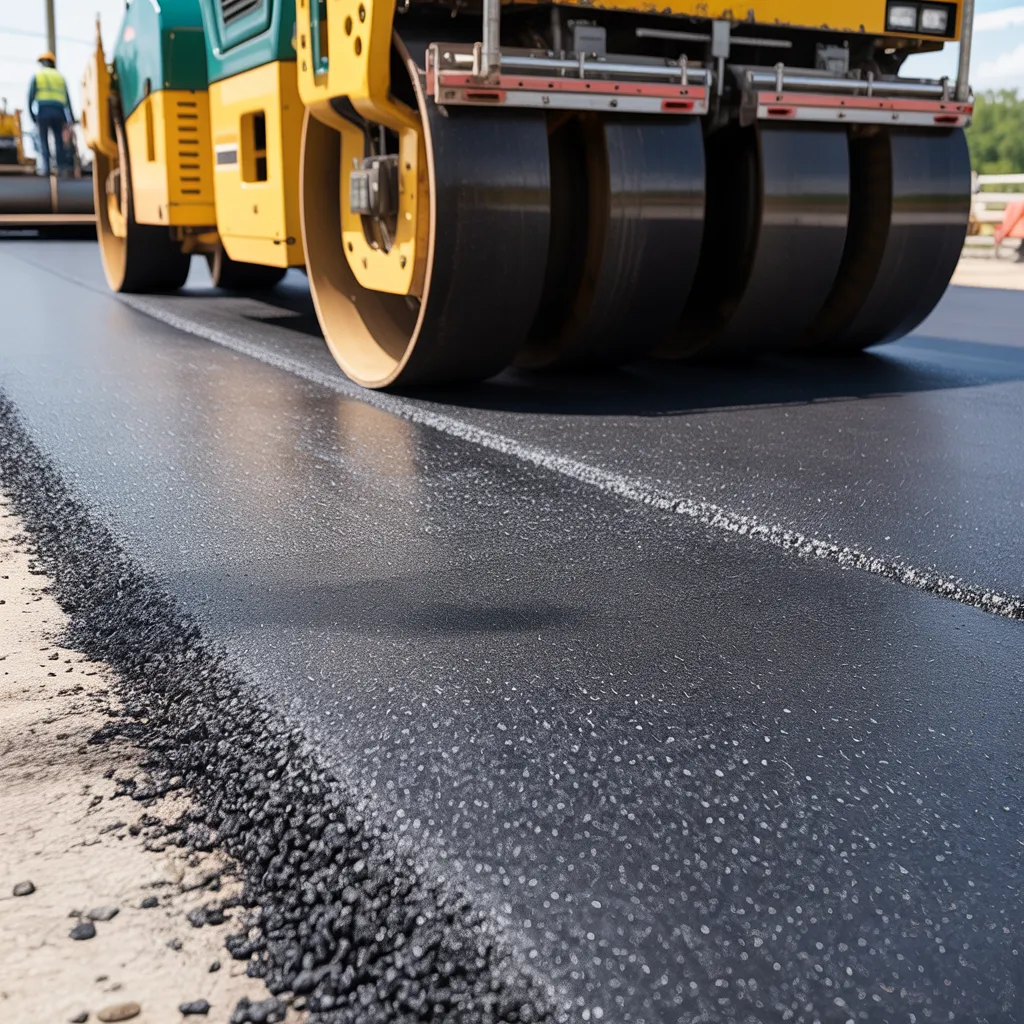
Understanding the Importance of Hiring a Quality Asphalt Contractor
When considering a paving project, understanding the importance of hiring a quality asphalt contractor becomes crucial. A professional contractor not only secures the proper installation of asphalt but also promotes the longevity and safety of the pavement. Premium materials and professional methods are critical in avoiding problems like cracks and pavement deterioration. Moreover, an established contractor is likely to comply with industry standards, enhancing overall project efficiency.
Additionally, a reliable contractor will offer precise estimates and schedules, enabling clients to plan with confidence. Their expertise can also help in choosing the appropriate materials suited for specific environmental conditions. Furthermore, hiring a professional contractor can foster clearer communication across all project phases, reducing miscommunications. At the end of the day, investing time in choosing the right asphalt contractor can lead to significant long-term savings, guaranteeing a long-lasting and visually appealing pavement solution that fulfills the project's specific needs.
Critical Attributes of a Reputable Asphalt Contractor
A trustworthy asphalt contractor demonstrates several key qualities that differentiate them from others in the field. To begin, they possess extensive industry experience, which reflects their capacity to oversee different projects with proficiency. This experience often results in outstanding quality of work and a thorough grasp of industry materials and practices.
In addition, a trustworthy contractor prioritizes open communication, ensuring that clients are kept up to date throughout the entire project. They offer complete estimates, timelines, and are ready to addressing any inquiries or issues.
Furthermore, a commitment to superior materials is fundamental; reliable contractors procure top-grade asphalt and complementary products to secure durability. They also adhere to safety standards and regulations, securing both their team and the client's property.
Finally, a solid reputation, supported by favorable reviews and client testimonials, clearly demonstrates the reliability of a contractor. These attributes collectively contribute to making a well-informed decision when choosing the ideal asphalt contractor for paving solutions.
How to Locate Qualified Asphalt Contractors
Locating skilled asphalt contractors demands thorough assessment of their qualifications and expertise. It is vital to ask for references and assess their previous projects to guarantee quality workmanship. By adhering to these guidelines, property owners can choose a contractor with confidence.
Validate Credentials And Experience
Confirming credentials and experience is vital for hiring key resource a competent asphalt contractor. Future clients should first confirm that the contractor maintains the appropriate licenses and certifications demanded by local and state requirements. This confirms that the contractor operates in accordance with industry standards and procedures. Additionally, reviewing the contractor's experience in various asphalt projects can provide insights into their expertise and reliability. Contractors who have demonstrated consistent success in past projects are typically more capable of managing difficulties that might emerge during the work. Furthermore, inquiring about any specialized training or ongoing education in asphalt technology can further indicate a contractor's commitment to quality work. In summary, comprehensive verification assists in reaching a well-informed decision, minimizing risks tied to paving projects.
Ask for References
After validating the contractor's background and skill set, the next course of action involves asking about previous clients. This vital approach allows prospective customers to evaluate the contractor's reliability and quality of work. A reputable asphalt contractor should willingly offer a list of previous clients who can confirm their services. It is wise to get in touch with these references to ask about their encounters, focusing on considerations such as timeliness, professionalism, and overall satisfaction. Posing targeted questions can offer useful details, helping to establish whether the contractor meets the project's needs. Furthermore, reviewing online ratings and testimonials can also enhance the decision-making process. Ultimately, comprehensive background verifications contribute to identifying a capable contractor for ideal pavement solutions.
Review Past Projects
How can one effectively gauge an asphalt contractor's skills and expertise? Assessing completed jobs is fundamental to making this determination. Those considering hiring should ask to review a collection of completed work, demonstrating the contractor's craftsmanship and dedication to quality. Examining a range of project types, from private driveways to large commercial lots, can provide insight into their versatility and experience. An on-site inspection of finished projects, where possible, enables a direct assessment of the pavement's condition and durability. Furthermore, gathering feedback from previous clients regarding the contractor's work can reveal important information regarding reliability and professionalism. In the end, a comprehensive review of past projects supports a well-informed choice when selecting an asphalt contractor.
Key Questions to Ask Your Asphalt Contractor?
When selecting a paving contractor, it is crucial to ask targeted questions that reveal their background and competencies. Furthermore, knowing the estimated timeline and expenses can help guarantee the project matches the desired outcomes. Discussing these essential factors can lead to a better-informed choice and a more seamless paving process.
Background and Qualifications
Picking an asphalt contractor demands careful consideration of their qualifications and experience. Potential clients should look into the contractor's years in the industry, as a wealth of experience often correlates with reliable workmanship. Moreover, understanding the types of projects previously completed can provide insight into the contractor's capabilities. It is also important to inquire about any certifications or training the contractor or their crew has obtained, as these credentials can elevate the quality of the work performed. Requesting references from past clients can help establish the contractor's reliability and reputation. At the end of the day, a contractor with a established record of successful projects and satisfied customers is more likely to offer top-tier asphalt results suited to individual requirements.
Project Timeline and Costs
Grasping the project timeline and corresponding costs is vital for clients pursuing asphalt services. To guarantee clarity, clients should inquire about the projected timeframe of the project, including likely interruptions due to unfavorable weather or supply constraints. Additionally, it is necessary to ask for a comprehensive overview of costs, encompassing labor, materials, and any extra charges. Clients should also review payment schedules and the contractor's policy on unforeseen expenses. By comprehending these factors, clients can more accurately evaluate the worth of the services provided and arrive at educated choices. Moreover, establishing clear communication about timelines and costs fosters trust between clients and contractors, ultimately leading to a more seamless project outcome.
Comprehending Asphalt Estimates
What is the best way to read an asphalt estimate? Understanding the components of an estimate is important for making informed decisions. Generally, an asphalt estimate includes material costs, labor fees, and extra charges such as equipment rental and site preparation. Every component should be thoroughly listed, enabling straightforward comparison among various contractors.
A detailed estimate includes information about the asphalt type, thickness, and any essential prep work, such as grading, leveling, or drainage solutions. This clarity helps customers gauge the quality of materials proposed and the diligence of the contractor's approach.
Moreover, it is essential to think about the expected duration for project completion, as setbacks can cause unforeseen costs. Clients should also inquire about warranties or guarantees outlined in the proposal, as these can demonstrate the contractor's trust in their craftsmanship. Overall, a carefully crafted proposal serves as a fundamental tool in evaluating potential asphalt contractors effectively.
Detecting Warning Signs Among Asphalt Contractors
What warning signs should a person identify when evaluating asphalt contractors? Several red flags may indicate potential issues in hiring a contractor. To begin with, a lack of a physical business address or a professional website can suggest instability or inexperience. Additionally, when a contractor hesitates to offer references or prior project samples, proceeding with caution is recommended.
Another warning sign surfaces when a contractor requests full payment upfront, as this could suggest a questionable level of integrity. Furthermore, ambiguous or imprecise estimates may indicate hidden costs that could cause the budget to balloon.
Furthermore, undue urgency to execute a contract rapidly is a significant warning sign; reputable contractors allow clients time to make informed decisions. By remaining aware of these cautionary indicators, building owners can more confidently oversee the selection process and steer clear of potential problems in their asphalt undertakings.
Tips for Effective Communication With Your Contractor
Building strong communication is essential for a productive relationship with an asphalt contractor. First, clients should articulate their project expectations, deadlines, and budget from the onset. This honesty permits the contractor to generate accurate quotes and timeframes. Regular updates are important; clients should schedule check-ins to discuss progress and address any concerns. Maintaining open lines of communication fosters trust and guarantees that both parties are aligned.
Additionally, clients ought to keep written records of all agreements and changes, which reduces the risk of misunderstandings later on. Employing visual tools, like diagrams or photographs, may also add greater clarity. Clients will benefit greatly from asking questions and requesting clarification on technical terms or processes. Any skilled contractor will appreciate such engagement and will be more motivated to achieve quality outcomes. Ultimately, open and effective communication paves the way for a more efficient project and a final result that fulfills the client's expectations.
Commonly Asked Questions
What Asphalt Services Do Contractors Generally Provide?
Contractors typically offer a range of asphalt services, including resurfacing, installation, repair, striping, and sealing. These solutions are designed for a wide range of needs, guaranteeing adequate upkeep and durability of asphalt pavements for commercial and residential properties.
How Long Does Asphalt Pavement Generally Last?
Asphalt pavement generally has a lifespan of anywhere from 15 to 20 years, depending on factors such as climate, traffic load, and maintenance practices. Consistent maintenance can prolong its service life, ensuring ideal performance and appearance over time.
Can Asphalt Be Paved Over an Existing Surface?
Yes, paving over existing asphalt is possible, provided the underlying surface is in good condition. Adequate preparation, which involves cleaning and addressing cracks, is vital to guaranteeing the new layer bonds securely and delivers lasting results.
What Weather Conditions Affect Asphalt Installation?
Weather plays a significant role in asphalt installation. Ideal temperatures range from 50°F to 90°F. Wet conditions, intense heat, or cold weather can interfere with adhesion and curing, risking surface cracking or weak bonding, thereby compromising the overall pavement quality.
How Do I Keep My Asphalt Pavement in Good Condition?
To keep asphalt pavement properly, routine sealing, prompt crack repairs, adequate drainage, routine cleaning, and limiting heavy loads are crucial. These measures strengthen durability, prevent damage, and prolong the lifespan of the asphalt pavement.